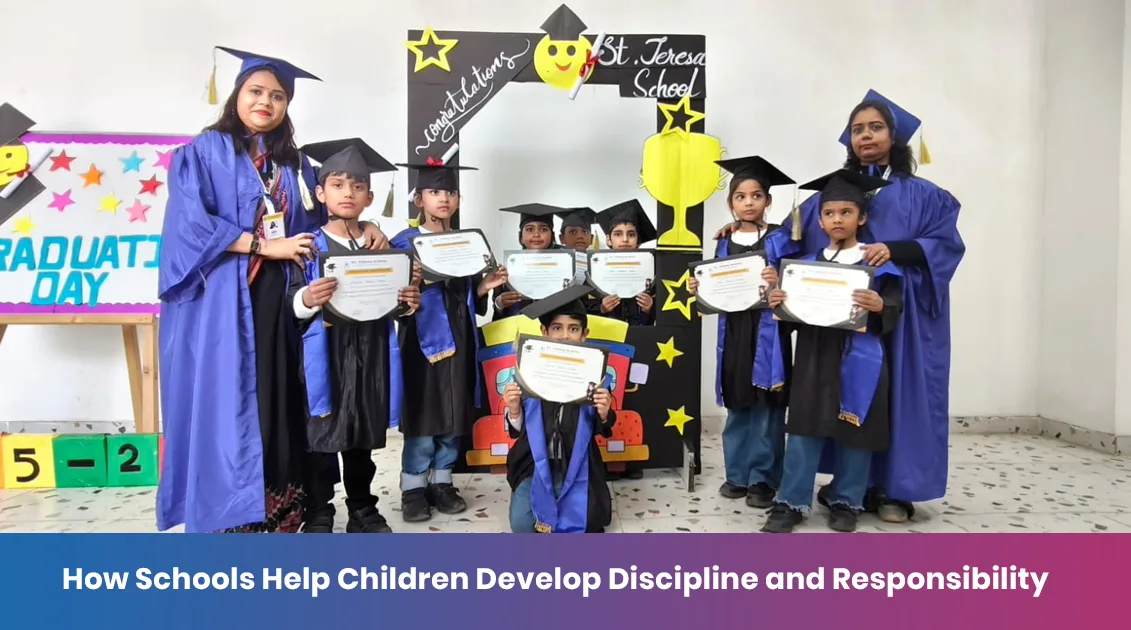
Education is not limited to academic subjects, examinations and classroom assignments. It also helps children develop habits, attitudes and values that influence how they interact with others and approach everyday responsibilities.
Discipline and responsibility are important life skills that children begin learning at home and continue developing through their school experiences.
A supportive school environment can teach students the importance of respecting others, following routines, managing responsibilities and making thoughtful decisions.
Understanding Discipline as a Life Skill
Discipline is not simply about following instructions or avoiding mistakes. It also involves understanding responsibilities, managing time and making appropriate choices.
Children who gradually develop disciplined habits may become more organised and confident in managing daily tasks.
Schools can encourage discipline through consistent routines, clear expectations and positive guidance.
Developing Respect for Teachers and Classmates
Classroom interaction provides children with opportunities to understand different perspectives.
They learn to listen when someone is speaking, respect opinions and communicate politely.
These habits contribute to a positive learning environment and help children build healthy relationships.
Learning Responsibility Through Classroom Activities
Students can develop responsibility by taking part in simple classroom tasks.
Examples include:
- Keeping learning materials organised.
- Completing assignments.
- Taking care of shared resources.
- Following classroom instructions.
- Participating in group activities.
- Completing assigned responsibilities.
These experiences teach children that their actions contribute to the wider classroom environment.
Understanding the Importance of Time Management
Time management is an important skill for academic and personal development.
School schedules introduce students to routines involving classes, assignments, activities and breaks.
Students gradually learn to organise their work and complete tasks within appropriate time limits.
Developing Honesty and Accountability
Children should understand that making mistakes is part of learning.
Teachers and parents can encourage them to accept responsibility, speak honestly and learn from their experiences.
This helps develop accountability rather than fear of punishment.
Encouraging Empathy and Kindness
Discipline should also involve understanding how actions affect other people.
Activities involving teamwork, helping classmates and sharing responsibilities can encourage empathy and cooperation.
Children should be taught to appreciate differences and treat others respectfully.
The Importance of School Assemblies and Group Activities
School assemblies and group programmes can provide opportunities for students to practise listening, participation, confidence and collective responsibility.
When students participate in activities, they can develop a better understanding of teamwork and shared values.
How Parents Can Reinforce Discipline at Home
School and family environments should work together to encourage positive habits.
Parents can support children by:
- Establishing regular daily routines.
- Encouraging respectful communication.
- Giving age-appropriate responsibilities.
- Appreciating consistent effort.
- Explaining the consequences of actions.
- Demonstrating positive behaviour themselves.
Children often learn important habits by observing adults.
Why Value-Based Education Matters
Academic knowledge helps students understand the world, while values influence how they contribute to it.
Respect, honesty, empathy, responsibility and cooperation are important qualities that can support personal and social development.
A balanced educational approach should create opportunities for children to practise these values in everyday situations.
Discover the Educational Environment at St. Teresa Greater Noida
At St. Teresa Greater Noida, the school’s educational philosophy highlights holistic development, character building, respect and responsible behaviour alongside academic learning.
Parents interested in exploring the school’s educational approach can visit our Best Convent School in Greater Noida page.
Frequently Asked Questions
Why is discipline important in school?
Discipline helps students develop routines, manage responsibilities, respect others and participate positively in classroom activities.
How can teachers develop responsibility in students?
Teachers can assign age-appropriate tasks, encourage independent work and provide opportunities for teamwork.
What are examples of responsible behaviour in school?
Completing assignments, keeping materials organised, respecting classmates and following classroom routines are examples.
How can parents teach discipline at home?
Parents can introduce consistent routines, model respectful behaviour and encourage children to take responsibility for everyday tasks.
What is value-based education?
Value-based education encourages qualities such as honesty, respect, empathy, cooperation and accountability.
Conclusion
Discipline and responsibility are developed gradually through everyday experiences. When schools and parents work together, children receive consistent guidance that can help them become respectful, organised and responsible individuals.