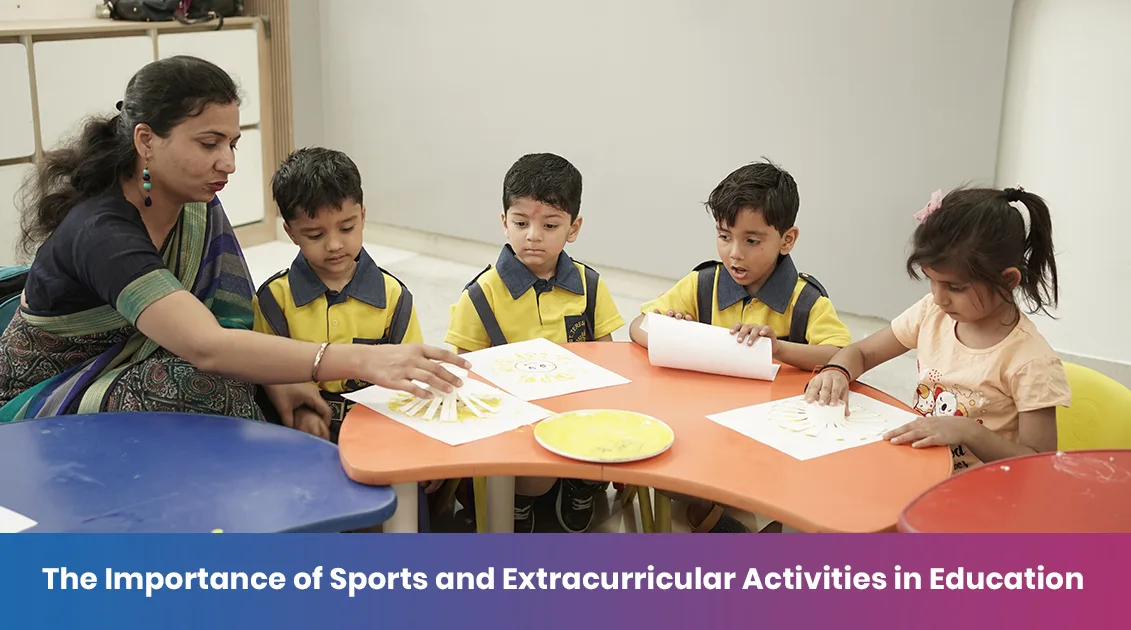
Education plays an important role in preparing children for their future. While academic subjects develop knowledge and understanding, activities outside the classroom provide opportunities to discover interests, develop abilities and learn important life skills.
Sports, music, dance, art, drama, public speaking and other extracurricular programmes can contribute to a child’s overall development.
These experiences allow students to explore their strengths, interact with others and develop confidence in different situations.
A balanced educational experience should provide opportunities for both academic learning and participation in activities that support personal growth.
Develops Physical Fitness and Healthy Habits
Sports and physical activities encourage children to remain active and develop better coordination.
Activities such as running, football, basketball, badminton, skating and other games involve movement, balance and physical participation.
Regular age-appropriate physical activity can support:
- Physical fitness.
- Coordination and balance.
- Strength and flexibility.
- Healthy daily routines.
- Understanding of teamwork.
Encouraging children to participate in sports can also help them develop an active lifestyle.
Builds Teamwork and Cooperation
Many sports and group activities require participants to work together.
Students learn to communicate, share responsibilities, follow rules and support teammates.
These experiences help children understand that successful teamwork depends on cooperation rather than individual performance alone.
The same skills are useful in classroom assignments, group projects and everyday interactions.
Improves Confidence and Self-Expression
Participating in activities gives children opportunities to showcase their interests and abilities.
A student who enjoys music may gain confidence through performances, while another may develop communication skills through debates or public speaking.
Such opportunities help students become more comfortable expressing their ideas and participating in group situations.
Develops Leadership Qualities
Extracurricular activities can introduce children to different responsibilities.
Students may organise a group activity, coordinate a team, participate in school events or take responsibility for a shared project.
These experiences can help develop:
- Decision-making.
- Responsibility.
- Communication.
- Initiative.
- Cooperation.
- Confidence.
Leadership skills develop gradually through practice and guidance.
Encourages Creativity and Imagination
Activities such as drawing, painting, music, dance and drama provide opportunities for creative expression.
They allow children to explore ideas and experiment with different forms of communication.
Creative participation also helps students discover interests that may not always become apparent through regular academic lessons.
Teaches Discipline and Time Management
Sports and extracurricular programmes often involve practice schedules, instructions and responsibilities.
Students learn to manage their time between academic tasks and activities.
They also understand the importance of preparation, regular effort and commitment.
These habits can support their academic and personal development.
Helps Students Handle Success and Setbacks
Sports and competitions provide opportunities to experience both achievement and disappointment.
Students learn that improvement requires practice and that mistakes can provide useful lessons.
With appropriate guidance, these experiences can encourage patience, resilience and a healthy attitude towards challenges.
Encourages Social Interaction and Friendship
Group activities bring together children with different interests and abilities.
Through participation, students get opportunities to make friends, communicate and appreciate different perspectives.
These experiences can help develop social confidence and a sense of belonging.
Helps Students Discover Their Interests and Talents
Every child has different interests.
Some may enjoy sports, while others prefer music, technology, literature, dance or visual arts.
Providing opportunities to explore different activities allows children to identify their strengths and develop new interests.
Parents and teachers should encourage exploration without putting unnecessary pressure on children to excel in every activity.
How Parents Can Encourage Extracurricular Participation
Parents play an important role in helping children maintain a healthy balance between studies and activities.
Here are some practical suggestions:
- Discuss the activities your child enjoys.
- Encourage participation without forcing interests.
- Provide opportunities to explore different activities.
- Appreciate regular effort and improvement.
- Help children manage their schedules.
- Allow sufficient time for rest and academic responsibilities.
The objective is to support children’s interests while maintaining a balanced routine.
Why Holistic Education Matters in Today’s World
Modern education involves more than academic knowledge. Students also need communication, collaboration, creativity, adaptability and problem-solving abilities.
Participation in different activities provides opportunities to practise these skills.
An educational environment that encourages academic learning alongside sports and creative participation can help children develop a wider range of abilities.
At St. Teresa Greater Noida, parents can explore the school’s educational approach, sports opportunities and overall learning environment.
Visit our Best International School in Greater Noida page to learn more about the school’s educational environment and admission-related information.
Frequently Asked Questions
- Why are extracurricular activities important for students?
They provide opportunities to develop creativity, teamwork, communication, confidence, leadership and personal interests beyond regular classroom learning.
- How do sports help in child development?
Sports encourage physical activity, coordination, discipline, teamwork and an understanding of healthy competition.
- Can extracurricular activities improve academic skills?
Some activities can support concentration, time management, communication and problem-solving, which may also be useful in academic learning.
- Which extracurricular activities are suitable for school students?
Depending on their interests and age, students can explore sports, music, dance, art, drama, debates, reading clubs and technology-based activities.
- How can parents balance studies and extracurricular activities?
Parents can help children follow a realistic schedule that provides sufficient time for studies, activities, rest and family interaction.
Conclusion
Sports and extracurricular activities are valuable parts of a balanced educational experience. They help children explore their interests, develop confidence, practise teamwork and learn important life skills.
When academic education is supported by meaningful activities, children get more opportunities to discover their potential and develop as well-rounded individuals.